In February 2022, Michelle joined the Alpine Family Eyecare family as the Office Manager, bringing 30+ years of experience in the retail industry and customer service. She enjoys the diversity of her role that includes checking in glasses and contacts, frame inventory management, accounts receivable and financial reports.
In her spare time, you are likely to find her hitting the golf course and spending time with her family and friends playing cards, having bonfires and going Jeep riding.


Our Team
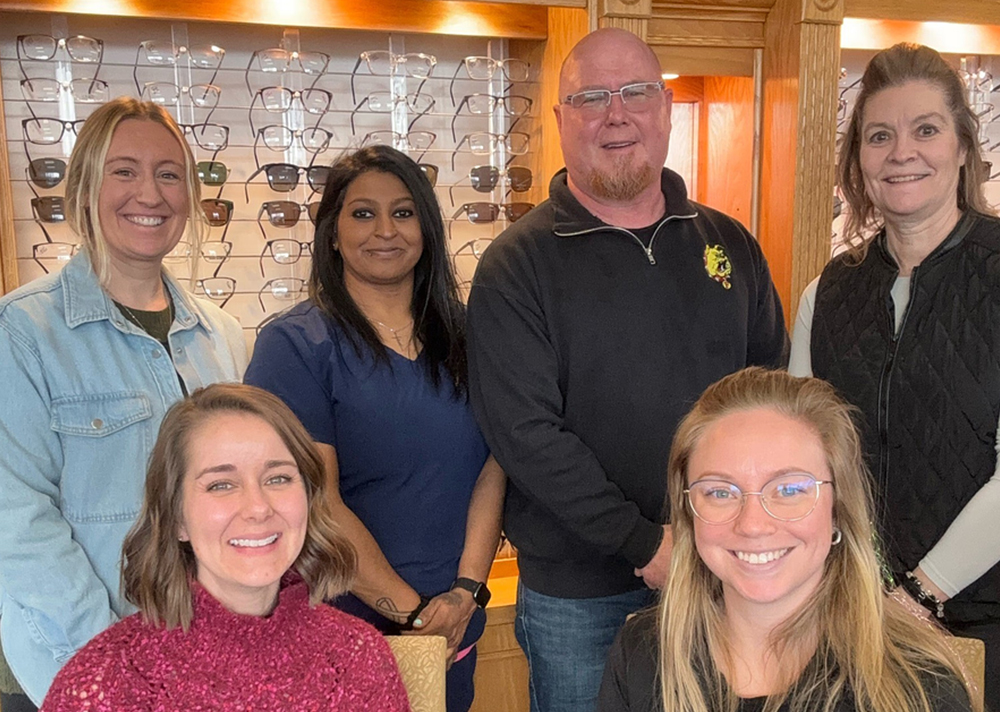
Meet Our Team
We provide the highest quality optometry services and compassionate eye care to ensure you and your family is healthy and happy. Meet our skilled, compassionate team committed to providing exceptional care for you and your family.

Michelle
Office Manager

Anje
Optician
Anje joined the Alpine Family Eyecare family in March of 2021 as a new Optician. With joining our team Anje has brought many laughs and her positive attitude. When not at work she enjoys yoga, spending time outdoors and going on adventures with her son.

Becca
Optical Technician
Meet Becca, she has been part of the Alpine Family Eyecare team since October 2017 as an Optician and her passion has accelerated her to Optical Technician. Even though she is quiet she brings a lot of good laughs to everyone in the office. On her days off you can likely find Becca enjoying a concert, soaking up the sun or hitting the slopes.
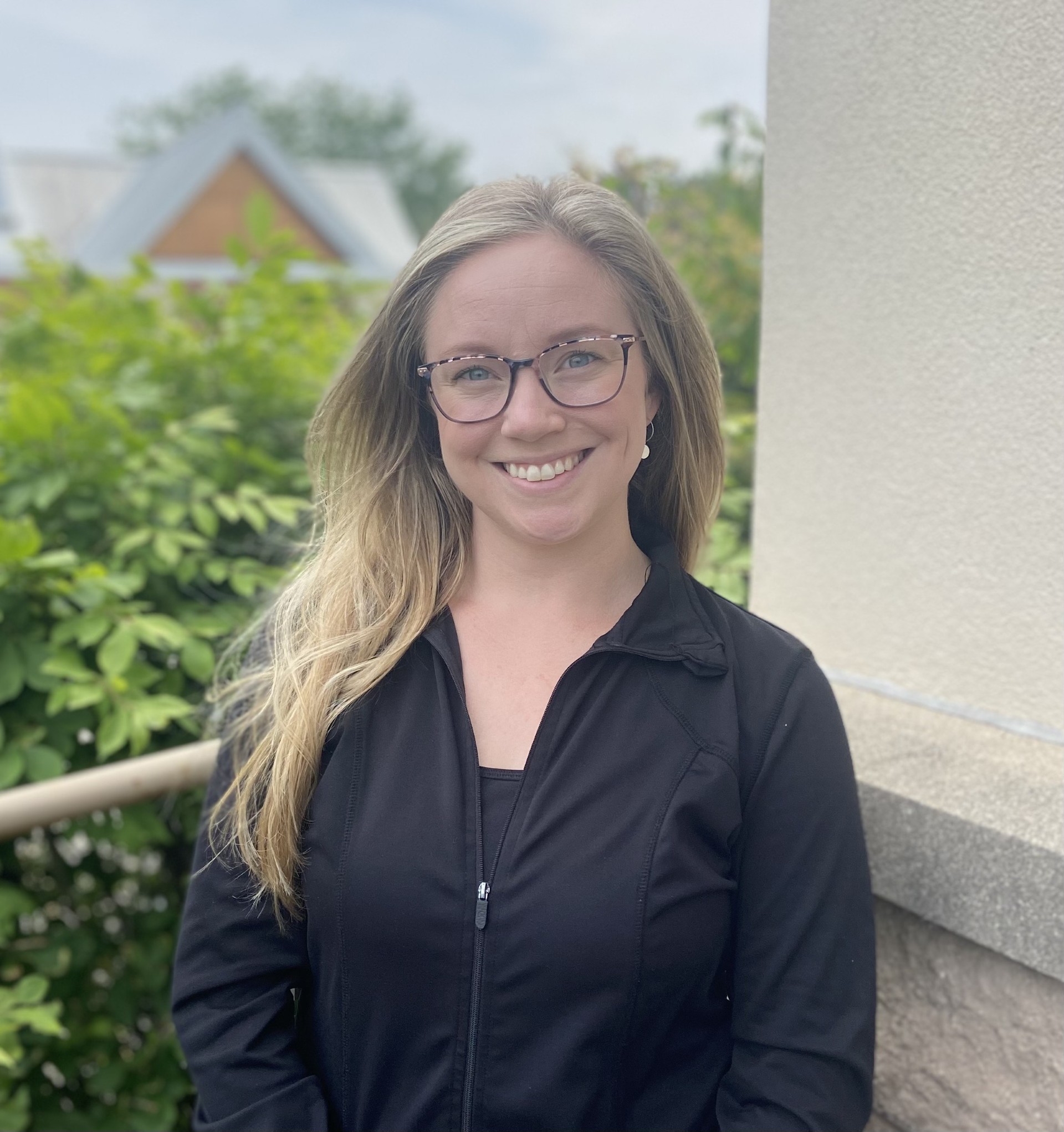
Allie
Certified Optometric Vision Therapist
Allie has over five years of experience in the vision care field. She began her career as an optician and later transitioned into optometric vision therapy, where she found her passion for helping patients improve their visual function. Allie is a Certified Optometric Vision Therapist through the College of Optometrists in Vision Development (COVD).
Before entering the world of vision, Allie earned a bachelor’s degree in Applied Health Science with a focus in personal training. Her background in health and fitness, combined with her hands-on clinical experience, allows her to take a well-rounded and personalized approach to patient care.
Allie has worked with individuals of all ages, including patients with special needs, and is especially passionate about one-on-one therapy sessions. She finds great fulfillment in watching her patients make progress and experience the life-changing benefits of vision therapy.
Outside of the clinic, Allie enjoys spending time outdoors and cooking new meals with her family
FAQ
What is vision therapy?
Vision therapy is a personalized, doctor-guided treatment program designed to improve how the eyes and brain work together. It uses specific exercises and activities to strengthen visual skills such as eye tracking, focusing, coordination, and visual processing. Vision therapy is often compared to physical therapy—but for the visual system.
Who provides vision therapy?
Vision therapy is prescribed and overseen by an optometrist who has training in vision development and binocular vision. Therapy sessions are typically guided by trained vision therapy staff under the doctor’s supervision.
Is vision therapy only for children?
No. While vision therapy is commonly used for children, teens and adults can also benefit. Adults may pursue vision therapy for issues such as eye strain, headaches, double vision, difficulty reading, or visual challenges following a concussion or brain injury.
How long does vision therapy take?
The length of vision therapy varies based on the individual and their specific condition. Most programs last between 3 to 6 months, with weekly in-office sessions and home practice. Your doctor will discuss a customized treatment plan after a comprehensive evaluation.
What happens during a vision therapy session?
Each session includes guided visual activities and exercises tailored to the patient’s needs. These activities may involve lenses, prisms, balance tools, computer-based programs, and hands-on tasks. Sessions are designed to be engaging and supportive while gradually strengthening visual skills.
Is vision therapy covered by insurance?
Insurance coverage varies by provider and plan. Some plans may cover a portion of the evaluation or therapy services, while others may not. Please note that therapy sessions are cash-only, with block payment options available. Our team is happy to help review your benefits and discuss payment options prior to starting treatment.
Are the results permanent?
In most cases, yes. Vision therapy helps develop and strengthen visual skills, and once these skills are learned, they are typically retained. Consistency and completion of the recommended program are important to achieving long-lasting results.
Quick Links


Our Services

Contact Info
Hours of Operation
- Monday 9:00 AM - 7:00PM
- Tuesday 9:00 AM - 5:00 PM
- Wednesday 9:00 AM - 5:00 PM
- Thursday 8:30 AM - 6:00 PM
- Friday 9:00 AM - 1:00 PM
- Saturday Closed
- Sunday Closed
© 2026 Alpine Family Eye Care. All rights Reserved. Accessibility Statement - Privacy Policy - Sitemap
Powered by:

